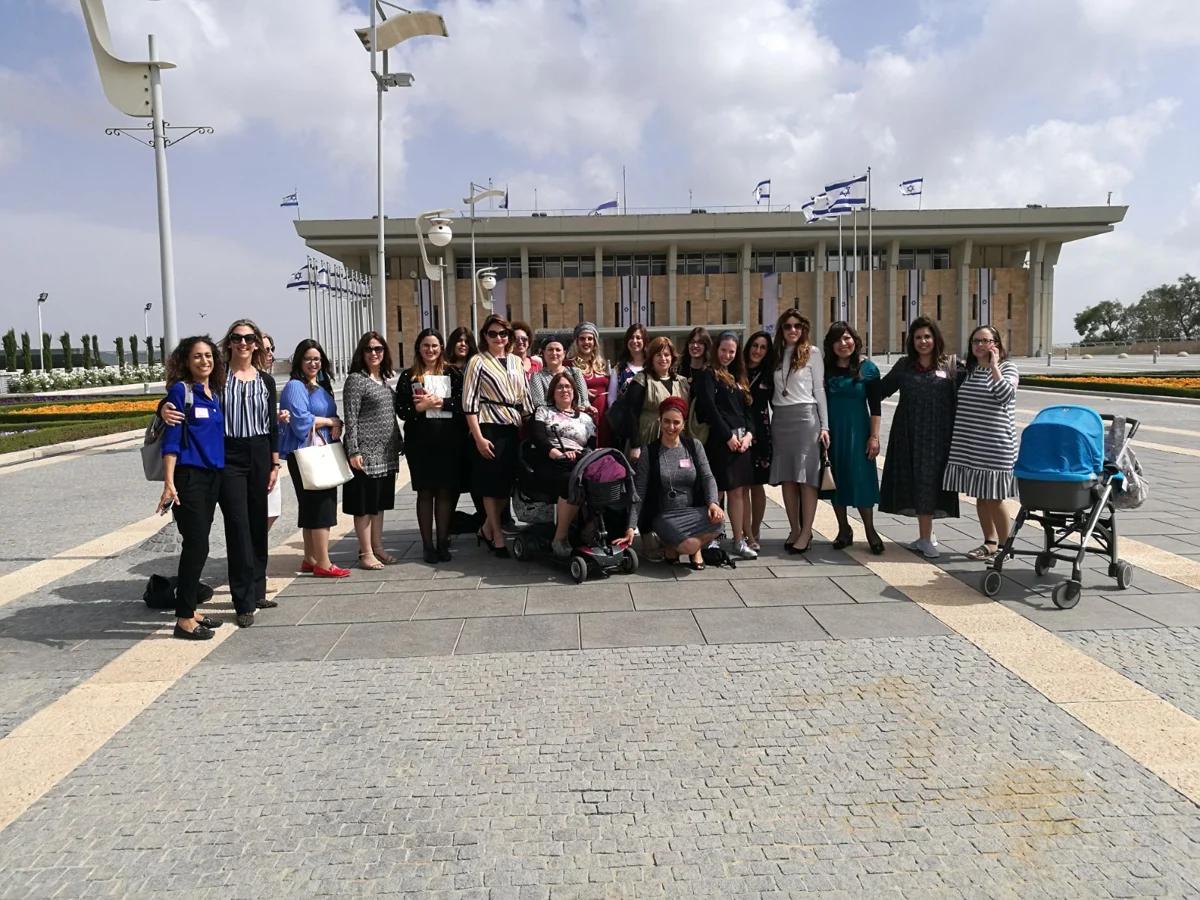
Nivcharot at the Knesset
What happens when the women whose lives are being discussed take part in the hearing? Nivcharot activists bring their experience to Knesset committees, give testimony and submit position papers. Here are some of the questions they have put before legislators.
Position papers in the Knesset archive
April 2020
Domestic violence in Haredi families during lockdown
How can a woman ask for help when she is confined at home with someone who harms her? Nivcharot gathered accounts from support organisations and described the difficulty of reaching help during lockdown and before Passover.
January 2021 committee hearing
Candidate lists without women
Nivcharot asked legislators to examine the gap between Haredi women’s right to vote and their ability to stand on the lists of parties representing their communities.
19 February 2023
Judicial reform and Haredi women’s representation
During the debate over judicial reform, the movement set out its legislative efforts and explained why women turned to the courts after applying to join Shas and Agudat Yisrael.
May 2023
Who represents Haredi women in local government?
Ahead of the municipal elections, Nivcharot examined how representatives are selected in Haredi local authorities and whose needs are overlooked when women are absent from the council table.
25th Knesset
Sports facilities in Haredi cities
Nivcharot activists Tova Buria and Esther Kramer described the shortage of playing fields and the particularly limited options for girls and women. They called for more facilities and for action by local authorities.
25th Knesset
Sentencing for sexual offences with a nationalist motive
Responding to a proposal to increase sentences for offences with a nationalist motive, Nivcharot asked legislators to consider Haredi survivors harmed within their own community and how the law recognises that harm.
Testimony before the Committee on the Status of Women
On 6 January 2021, Esty Shushan spoke at the hearing on the legality of all-male candidate lists. She described the personal cost of calling for political representation for Haredi women.
Read the Knesset’s account of the hearing (Hebrew)